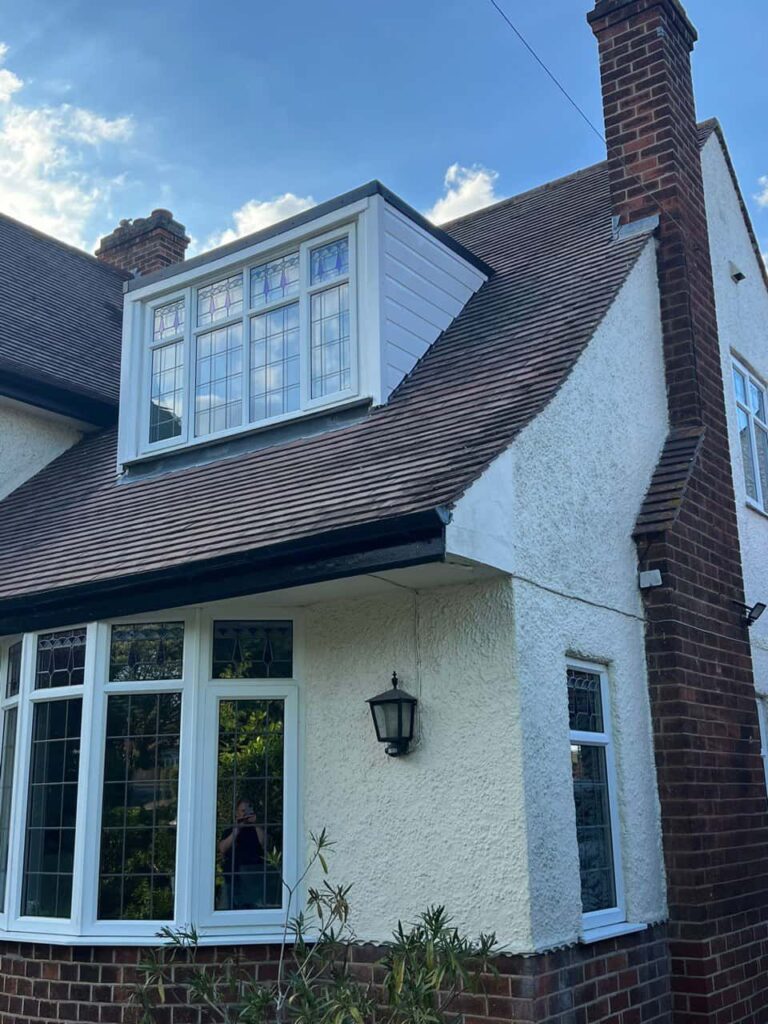
Roof damage is not always easy to spot. A small damp patch on a ceiling, occasional dripping during heavy rain or a persistent musty smell may indicate a roofing problem, even when the tiles and other visible parts of the roof appear to be in good condition. Because water can travel away from the point where it enters, identifying the actual cause can be more complicated than expected.
For homeowners in Wendover, Buckinghamshire, arranging roof repairs when the damage is difficult to identify starts with recognising the warning signs and arranging a professional inspection. Finding the source of the problem is essential to ensuring that repairs address the cause rather than simply covering up the symptoms.
What Should You Do When the Source of Roof Damage Is Unclear?
1. Look for Signs of a Roofing Problem
You do not need to identify the exact fault before contacting a roofing contractor. Instead, look for changes that suggest water may be entering the property or the roof covering may have deteriorated.
Common warning signs include:
- Damp patches or discolouration on ceilings and upper walls.
- Water stains that appear after rainfall and then seem to dry out.
- Peeling paint, bubbling plaster or damaged decorative finishes.
- Dripping around roof windows, chimneys or ceiling edges.
- Missing, slipped or visibly damaged roof tiles.
- Damp smells or signs of moisture in the loft.
These symptoms can help a roofer understand what is happening and where further investigation may be needed. Avoid climbing onto the roof yourself, as damaged coverings and wet surfaces can be dangerous.
2. Record When and Where the Problem Appears
The circumstances surrounding the damage can provide useful clues. For example, a leak that appears only during heavy rain may indicate an issue with the roof covering, flashing or drainage. Dampness that develops around a chimney or roof window may suggest a problem with the surrounding seals or weatherproofing.
Make a note of when the symptoms occur, which rooms are affected and whether the problem changes with the weather. Photographs of internal stains or visible external damage can also help, provided they can be taken safely from the ground.
This information gives your roofing contractor a clearer starting point and may help narrow down the areas that need closer examination.
3. Arrange a Professional Roof Inspection
When the source of the damage is uncertain, a professional inspection is often the most effective next step. A roofing contractor can examine accessible areas of the roof and assess components that may be contributing to the problem.
Depending on the symptoms, the inspection may involve checking roof tiles, ridge coverings, flashing, valleys, roof windows, gutters and other areas where water could enter. The contractor may also need to consider the loft space or the location of internal damp patches to understand how moisture is travelling through the building.
The aim is to identify the likely cause before deciding which repairs are appropriate. This helps avoid unnecessary work and reduces the risk of the original problem returning because the underlying fault was missed.
4. Understand Why the Leak May Be Difficult to Trace
Water does not always appear directly beneath the point where it enters the roof. It can move along timbers, under roof coverings or across other building materials before becoming visible inside the property.
A damaged section of flashing, for instance, may allow water to enter near a chimney, while the resulting stain appears some distance away on a ceiling. Similarly, a small defect may only allow water through when rain arrives from a particular direction.
Condensation can also resemble a roof leak, particularly when moisture collects in loft spaces or around cold surfaces. Distinguishing between condensation and rainwater ingress is important because each problem requires a different solution.
A careful assessment helps establish which explanation best fits the evidence rather than assuming every damp patch means a damaged tile.
5. Agree on the Repair Work Once the Cause Is Clear
After investigating the problem, your roofer should explain the likely source of the damage and recommend suitable repairs. The work will depend on the findings and may involve replacing damaged tiles, repairing flashing, addressing defective roof junctions or resolving another issue affecting the roof’s weatherproofing.
Ask which part of the roof needs attention and how the proposed repair will address the symptoms you have noticed. If the source cannot be confirmed during the initial inspection, further investigation may be necessary before a reliable repair plan can be established.
Once the work is completed, monitor the previously affected area, particularly during subsequent rainfall. If dampness returns, contact your roofer so the remaining issue can be assessed.
Why Prompt Action Can Prevent Further Roof Damage
Even when a leak seems minor or appears only occasionally, delaying an inspection can allow moisture to affect plaster, insulation and roof timbers. Continued water ingress may also make the original fault more difficult to diagnose as additional damage develops.
Arranging an inspection early gives you a better opportunity to address the problem before it spreads. It also helps ensure that repairs are based on the actual condition of the roof rather than guesswork.
Conclusion
Arranging roof repairs when the damage is difficult to identify requires a methodical approach. Recording the warning signs, noting when the problem occurs and arranging a professional inspection can help establish where the water is entering and what needs to be repaired.
If you have noticed unexplained damp patches, recurring leaks or other signs of roof damage, LS Roofing Wendover can help assess the problem and recommend appropriate repairs. Contact us to arrange an inspection and take the next step towards protecting your home in Wendover, Buckinghamshire.
Call us on: 01494 976 497
Click here to find out more about LS Roofing Wendover
Click here to complete our contact form and see how we can help with your roofing needs.