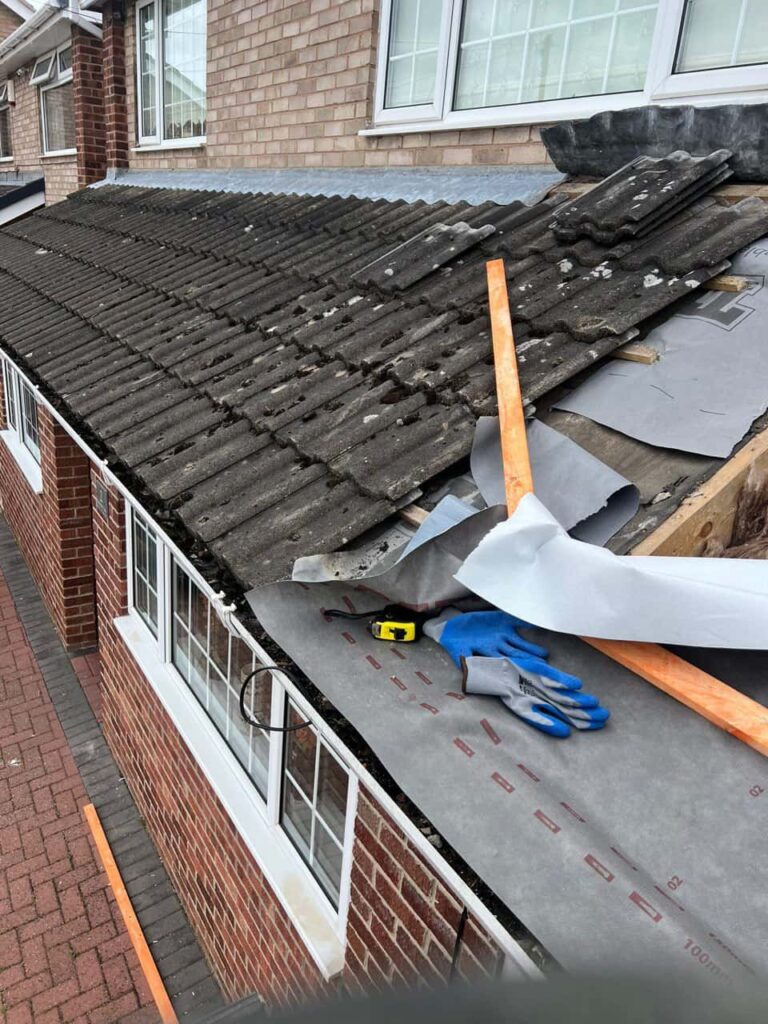
Roofing materials are designed to protect a property from rain, wind and changing weather conditions. However, even suitable materials may fail to perform as intended when they are fitted incorrectly. The quality of installation affects how individual components connect, drain water and respond to movement over time.
This principle applies to every roofing service, from replacing a single tile to constructing an entirely new roof. Careful preparation, accurate fitting and attention to junctions are essential if the completed work is to provide reliable weather protection.
How Skilled Installation Supports Roofing Performance
Accurate Assessment Comes Before Installation
Good workmanship begins before any materials are fitted. The roofer must determine what has failed, why the defect developed and how far the damage extends.
For example, replacing a cracked tile may not resolve a leak if the underlying batten has deteriorated or nearby flashing is defective. Accurate assessment prevents work from being concentrated on the visible symptom while the actual cause remains untreated.
Roof Tiles Need Correct Alignment and Overlap
Tiles rely on their shape, overlap and position to guide water down the roof. If courses are uneven or overlaps are insufficient, wind-driven rain may reach the underlay beneath.
Fixings must also suit the tile type and roof position. Poorly secured tiles can move, lift or slip even when they remain unbroken. Careful installation creates a consistent covering in which each tile supports the performance of those around it.
Slates Depend on Precise Fixing
Slate roofs require accurate setting out because small variations can affect headlap, alignment and drainage. Slates must be secured without damaging the material or creating unnecessary stress around the fixing points.
Correctly positioned slates form a dependable weather-resistant covering. Inconsistent spacing or unsuitable fixings can leave vulnerable gaps and cause individual slates to loosen prematurely.
Underlay and Battens Form a Complete Supporting System
The outer roof covering is only one part of the installation. Underlay provides secondary protection against moisture, while battens support the tiles or slates and hold their fixings.
Underlay must be laid with suitable laps and detailing around penetrations. Battens need to be correctly spaced, securely fixed and capable of providing consistent support. Errors beneath the surface may remain hidden until leaks or movement begin to appear.
Flashing Must Be Properly Integrated
Lead flashing protects junctions around chimneys, adjoining walls and other roof features. It must be shaped, secured and integrated with the surrounding materials so that water passes over the covering rather than behind it.
Simply applying material over a gap is not the same as forming a reliable junction. Skilled installation considers water flow, movement and the relationship between the flashing, masonry and roof covering.
Valleys Require Careful Detailing
Roof valleys carry concentrated volumes of rainwater where two slopes meet. The lining, supporting materials and surrounding tiles must all be positioned accurately.
A poorly formed valley may allow water beneath the roof covering or cause debris to collect. Correct installation creates an unobstructed drainage path and securely integrates the valley with both adjoining slopes.
Ridges, Hips and Verges Need Secure Finishing
Ridges, hips and verges protect some of the most exposed parts of a roof. They must remain secure during strong winds while preventing rain from reaching the structure underneath.
Materials should be aligned consistently and fixed using an appropriate system. Loose bedding, weak fixings or uneven finishing can lead to movement, gaps and recurring maintenance problems.
Flat Roof Performance Relies on Seams and Falls
A flat roof is not completely level. It requires carefully formed falls to direct water towards outlets and prevent unnecessary ponding.
The covering must also be bonded or secured consistently, with particular attention given to seams, edges, penetrations and upstands. Small installation defects in these areas can allow moisture beneath an otherwise sound surface.
Chimney Repairs Must Address the Whole Junction
Chimney-related leaks may involve mortar, leadwork, masonry and adjacent roof coverings. Repairing only one visible crack can leave other weaknesses untouched.
Professional installation treats the chimney and roof junction as one connected detail. This helps ensure that rainwater is directed away from the opening rather than entering through a nearby unresolved defect.
Guttering Must Work With the Roof Edge
Gutters, fascias, soffits and the lower roof edge must be coordinated so that rainwater leaves the roof cleanly. Incorrect levels or poorly positioned components can cause water to overshoot, overflow or run behind the gutter.
Accurate installation supports effective drainage and protects the surrounding roofline from repeated moisture exposure.
Repairs Must Integrate With Existing Materials
A repair should not be treated as an isolated patch. Replacement materials must connect correctly with the surrounding roof and remain compatible with its pitch, construction and drainage pattern.
Important details can include:
- Maintaining the correct tile or slate overlap
- Securing new materials to sound battens
- Reinstating underlay where required
- Sealing junctions without trapping water
- Matching the existing drainage route
- Avoiding unnecessary disturbance to sound areas
This integration is what allows a local repair to function as part of the complete roofing system.
New Roofs Depend on Consistency Across Every Stage
A new roof involves multiple stages, including structural checks, underlay installation, battening, setting out, covering and finishing details. Weakness at one stage can affect everything fitted above it.
Consistent workmanship helps ensure that loads are supported, materials remain aligned and rainwater follows the intended route from the ridge to the drainage system.
Skilled Workmanship Helps Prevent Repeat Problems
Recurring roofing problems often arise when the original cause was not identified or the repair did not integrate properly with the surrounding materials. A leak may disappear temporarily before returning during different weather conditions.
Professional work focuses on correcting the full defect rather than covering its most visible part. This helps reduce repeat failures and protects unaffected areas from further moisture exposure.
Conclusion
Installation quality matters across every roofing service because a roof functions as one connected weatherproofing system. Tiles, underlay, battens, flashing, valleys and drainage details must all be fitted accurately and work together.
LS Roofing Wendover provides professional roofing services in Wendover, Buckinghamshire. If your roof requires repair, maintenance or replacement, contact the team to arrange an assessment and discuss the most suitable work for your property.
Call us on: 01494 976 497
Click here to find out more about LS Roofing Wendover
Click here to complete our contact form and see how we can help with your roofing needs.